Google and Blue Origin to launch AI satellites in 2029
Summarised from 2 outlets · Updated 19 Nov, 18:02 · Archive
Google and Blue Origin will launch satellites equipped with AI processors into orbit in early 2029.
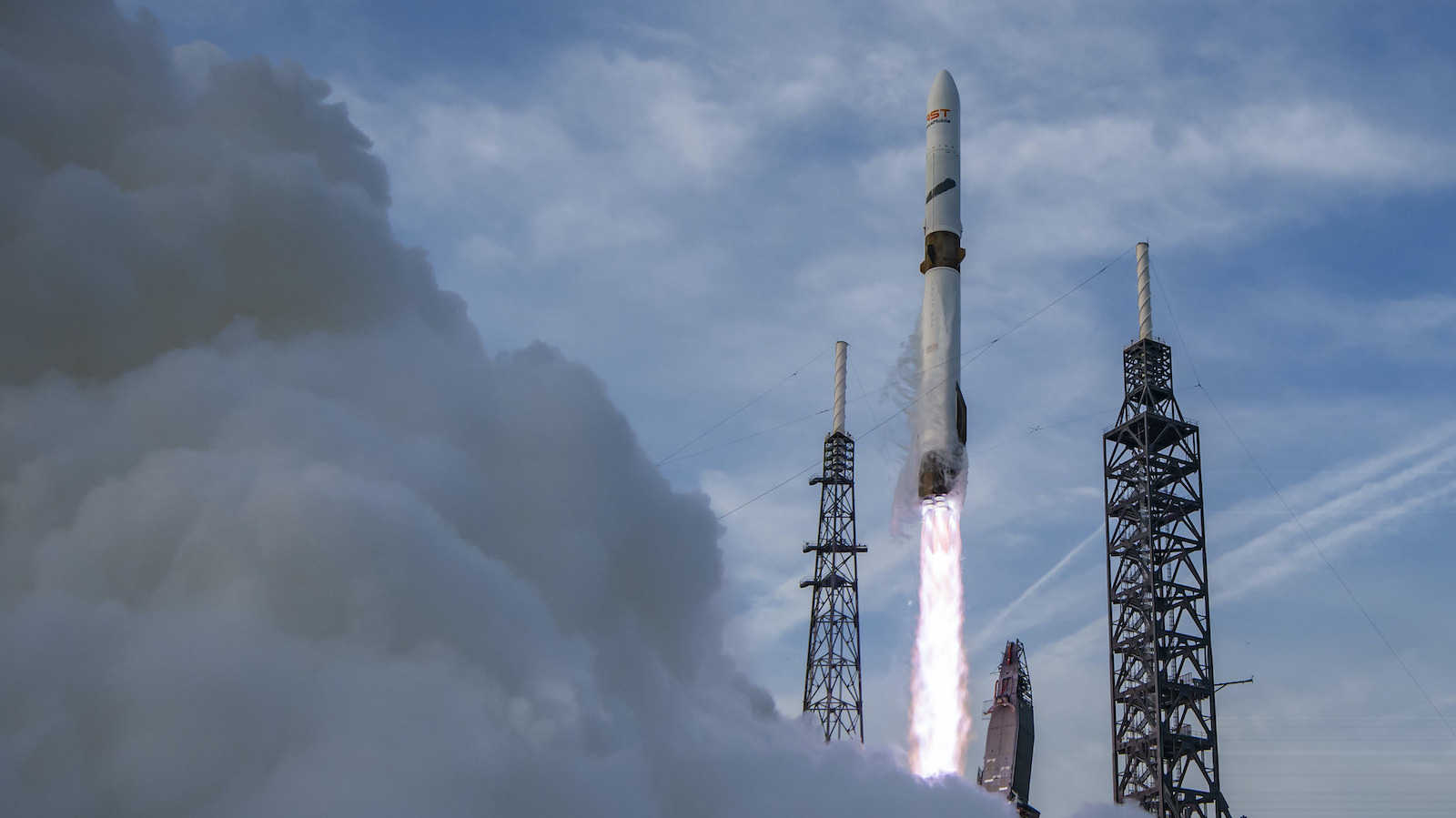
Google has signed a launch services agreement with Blue Origin to send AI satellite data centres into orbit as part of Project Suncatcher, described by Google as a long-term moonshot experiment. Blue Origin's New Glenn rocket will carry the satellites equipped with Google's Tensor Processing Units into sun-synchronous orbit in the first quarter of 2029.
Each satellite will have computing capacity roughly equivalent to a data centre rack. Google previously launched an AI server satellite in October as a rideshare payload aboard SpaceX's Falcon 9 rocket, where it successfully powered up its TPUs and used its Gemma 4 model to transmit an AI-generated haiku to Earth.
Project Suncatcher aims to explore whether an interconnected network of solar-powered satellites with AI chips could scale machine learning more efficiently than Earth-based data centres. Google framed the project as a way to tap into abundant solar power in space and reduce the environmental demands of data centres, which consume significant electricity and require extensive cooling systems.
How it is being reported
- Google signs deal with Blue Origin to send satellite data centers into orbitThis is part of Project Suncatcher, an experiment aimed at running AI systems in space.Engadget · 19 Nov, 17:38
- Blue Origin will launch Google’s AI server satellites in 2029Google is teaming up with Jeff Bezos' Blue Origin to launch its AI server satellites. The companies announced on Thursday that Blue Origin's New Glenn rocket will shuttle satellites equipped with Google's Tensor Processing Units (TPUs) into space in the first quarter of 2029. The partnership is part of Google's Project Suncatcher, a moonshot plan […]The Verge · 19 Nov, 13:53
In this story: Google · Blue Origin · Jeff Bezos · SpaceX
This summary was written by AI from the headlines and standfirsts above, and states as fact only what at least two outlets report. How we use AI · Report a problem · Corrections log
Comments (0)