Democrats launch push to shape artificial intelligence agenda for 2028
Summarised from 2 outlets · Updated 13 Nov, 05:32 · Archive
A Democratic political group is launching a $1.1 million research initiative to shape how the party talks to voters about artificial intelligence ahead of the 2028 presidential election.
A Democratic political organisation is announcing a new effort to shape how to discuss artificial intelligence with voters ahead of the 2028 presidential election. The research initiative, pegged at $1.1 million to start, was announced as Democrats met in Denver for the What's Next conference.
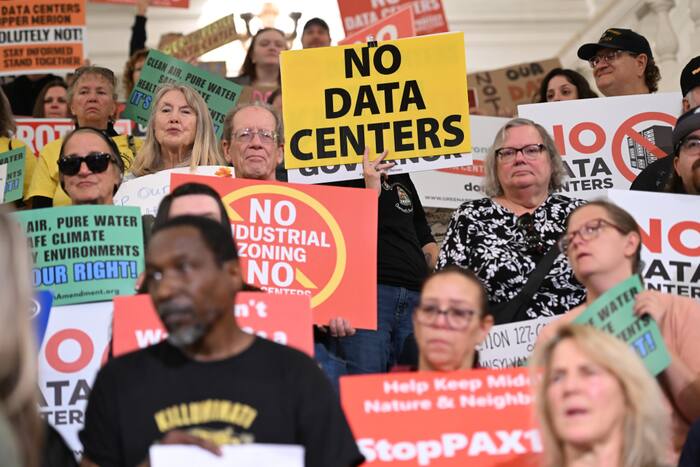
The group, Tomorrow Together, spent $6.5 million during the midterms on behalf of candidates calling for more regulation of artificial intelligence and data centres. Party leaders believe the issue creates a contrast with President Donald Trump's opposition to regulating the technology.
Maddie Kriger, the group's chief program officer, said: "We expect getting this right is going to be critical to winning people's votes. It's also not out of the realm of possibility we will see more and worse AI incidents in the next year, and we want to be prepared to move to help people and take action if that does happen." The announcement comes as companies begin a new phase of development that will allow AI to build new versions of itself.
How it is being reported
- Democratic political group launches new push to shape AI agenda ahead of 2028A Democratic political group is launching a new push to find ways to meet voters' concerns about artificial intelligence ahead of the 2028 presidential election.Clickorlando · 13 Nov, 05:01
- Democratic political group launches new push to shape AI agenda ahead of 2028A Democratic political group is launching a new push to find ways to meet voters' concerns about artificial intelligence ahead of the 2028 presidential election.News4Jax · 13 Nov, 05:01
In this story: Democratic Party · Tomorrow Together · Donald Trump · Maddie Kriger · Denver
This summary was written by AI from the headlines and standfirsts above, and states as fact only what at least two outlets report. How we use AI · Report a problem · Corrections log
Comments (0)