Supermarket fridges hacked across Europe in coordinated cyberattack
Summarised from 27 outlets · 58 reports · Updated 4 Nov, 09:54 · Archive
Hackers remotely raised temperatures in supermarket refrigeration systems across at least eleven European countries on Monday, spoiling millions of euros worth of food.
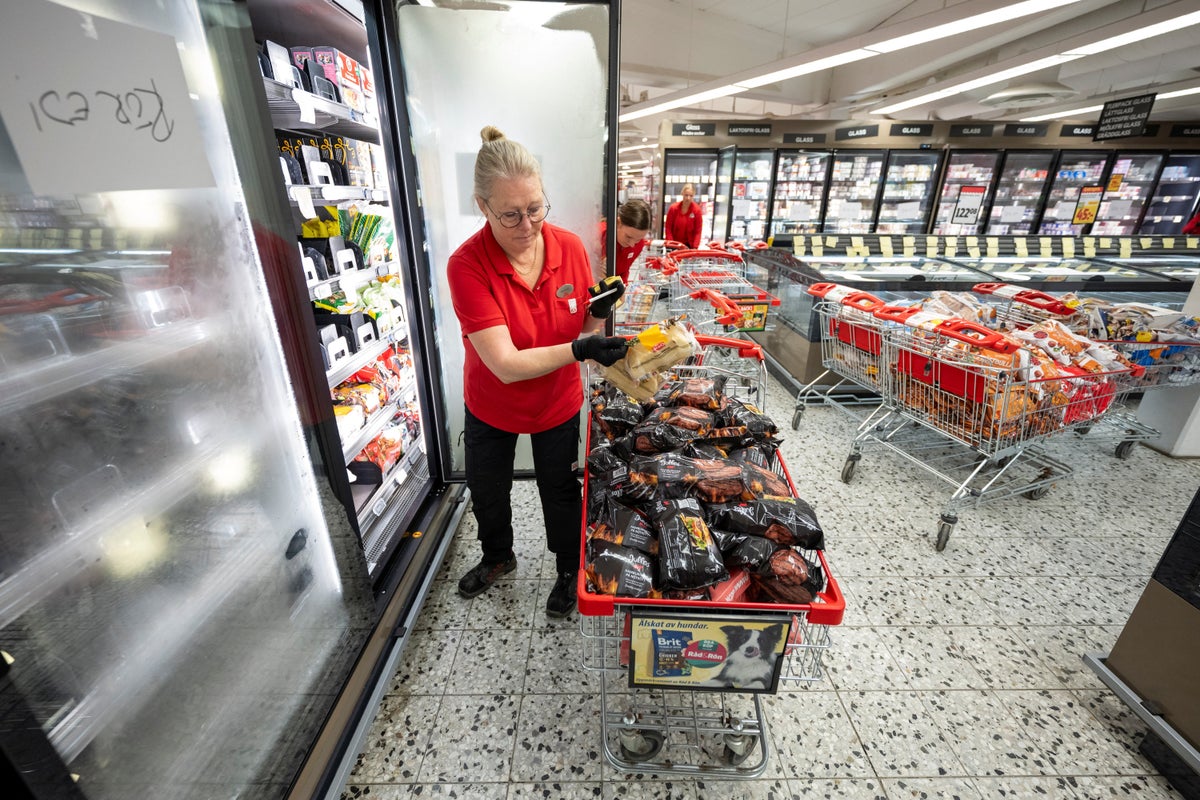
Hackers remotely targeted refrigeration systems at supermarkets across at least eleven European countries on Monday, raising temperatures and destroying food stocks worth millions of euros. In some cases, temperatures in fridges and freezers rose from minus 27°C to 50°C (122°F), whilst others were switched to defrost mode, raising temperatures to around 15°C. The attack affected stores in Belgium, Estonia, Finland, Ireland, Italy, Luxembourg, the Netherlands, Portugal, Sweden, Germany and Romania.
Major retailers hit included Carrefour, which lost food at 15 Belgian stores, and Ahold Delhaize, which reported incidents at dozens of stores in Belgium and Luxembourg. Swedish supermarkets including ICA and Coop, as well as Ikea at its Mons store in Belgium, also reported problems. Smaller numbers of stores were affected by the attack in other countries. Food losses across the continent are estimated in tens of millions of euros.
In the UK, the National Cyber Security Centre confirmed that vulnerable refrigeration technology had been exploited in a small number of incidents. Some meat suppliers and processors reported that fridges had been heated to 38°C, though the Association of Independent Meat Suppliers said that because abattoirs typically operate with empty units overnight, no food stock was lost. No major supermarket chain in the UK was directly affected. Dr Richard Horne, chief executive of the NCSC, told BBC Radio Four that the centre had "worked through the night" to alert potentially affected organisations and was aware of a "couple of impacts".
The attack follows a similar incident in early October, when hackers targeted refrigeration systems at around 700 supermarkets across France, Belgium and the Netherlands, causing food losses estimated at tens of millions of euros. That earlier attack exploited vulnerabilities in remotely managed cooling systems that had been identified by cybersecurity researchers months prior. Experts have since identified more than 800 fridge interfaces associated with British retailers that are accessible over the public internet, raising concerns about the vulnerability of the UK's food supply chain.
No one has claimed responsibility for the attacks. The motive remains unclear, though the EU's agriculture and food commissioner Christophe Hansen described them as "a deliberate attempt to disrupt our food supply chain and undermine consumers' confidence in it". Some cybersecurity analysts have suggested the pattern of attacks is consistent with Russian state-backed operations, though a Romanian cybersecurity official said he did not suspect a state actor and described the attack as "semi-amateurish". The UK's NCSC said it was too early to attribute the attacks and that they had not used artificial intelligence and exploited vulnerabilities that had been "out there for a long period of time".
The attacks have drawn attention to the security risks posed by outdated technology and poorly secured remote access in critical infrastructure. Many supermarket refrigeration systems use legacy technology with default passwords and have been connected to the internet to reduce maintenance costs. The NCSC warned that organisations urgently need to update software on fridge temperature controllers and ensure systems are properly secured.
How it is being reported
- UK fridges hacked in cyberattack targeting several counties – here’s what you need to knowThe attack caused millions of Euros worth of fresh and frozen food to be spoiledThe Independent · 4 Nov, 05:10
- EU urges action as Germany, Romania and UK report supermarket cyberattacksEU says supermarket hacks in at least 11 countries are 'not isolated', but a Romanian official suspects no state actor.Al Jazeera · 4 Nov, 03:16
- Uncool! Hacking refrigerators is a hint of threats to comeFiddled freezers are not a national security threat. But think of refrigerators as the tip of the iceberg.The Japan Times · 4 Nov, 02:27
- So, could Britain's food chain be hit by the cyber hackers targeting supermarket freezers all across Europe?On Sunday October 11, French supermarkets were hit by an unprecedented cyber attack on refrigeration units across 700 stores.Daily Mail · 4 Nov, 00:29
- Why are fridges being hacked and what could be next? - The LatestSupermarket fridges and freezers in several European countries have malfunctioned after a reported cyber-attack, with their thermostats remotely cranked up. It is unclear who is behind the latest apparent attack but the EU has condemned what it said was ‘a deliberate attempt to disrupt our food supply’. It comes as the UK’s cybersecurity body warns AI-powered malicious software is ‘highly likely’ to be used in hacking attacks against the UK’s power stations, airports and hospitals by 2028. Lucy Hough speaks to global tech reporter Aisha Down Continue reading...The Guardian · 3 Nov, 19:12
- Cold war? Why are fridges being hacked and what could be next? - The LatestSupermarket fridges and freezers in several European countries have malfunctioned after a reported cyber-attack, with their thermostats remotely cranked up. It is unclear who is behind the latest apparent attack but the EU has condemned what it said was ‘a deliberate attempt to disrupt our food supply’. It comes as the UK’s cybersecurity body warns AI-powered malicious software is ‘highly likely’ to be used in hacking attacks against the UK’s power stations, airports and hospitals by 2028. Lucy Hough speaks to global tech reporter Aisha Down – watch on YouTube Continue reading...The Guardian · 3 Nov, 18:21
- Supermarket Chain Thaw Massacre: Russia suspected in Europe’s fridge attacksNobody knows who hacked Europe's supermarkets. But many are looking to Moscow.Politico Europe · 3 Nov, 18:20
- European supermarket fridges got hacked. Again. Here's what to knowMysterious cyberattacks on European supermarket fridges have officials scrambling to understand what happenedIndependent World · 3 Nov, 18:00
- UK meat processing firms hit amid fridge and freezer cyber attacksIt has emerged that the cyber attack on French supermarket fridges involved legacy technology connected to internet with default passwords.The Independent · 3 Nov, 15:39
- UK meat processing firms’ fridges heat up after cyber-attacks in EuropeCybersecurity experts say incidents had minimal effect but may represent the ‘foothills’ of a wider threat Meat processing firms in the UK have been hit by cyber-attacks after hackers raised the temperatures of supermarket freezers across Europe. The UK’s National Cyber Security Centre (NCSC) said it was working with the affected companies but that the national impact was minimal. Continue reading...The Guardian · 3 Nov, 14:29
- Cybersecurity boss warns some UK food firms also hit by European freezer hack as meat suppliers forced to throw out tonnes of produceDr Richard Horne, the boss of the UK's National Cyber Security Centre (NCSC) - which is part of GCHQ, claimed 'vulnerable technology' in the UK had been 'exploited' during the hack.Daily Mail · 3 Nov, 14:23
- Very cold war: Who’s attacking Europe’s supermarket freezers?Cold stores in supermarkets across Europe have been targeted in a cyberattack with no clear culprit.Al Jazeera · 3 Nov, 14:17
- First fridges and freezers, what next? Cybersecurity experts reveal the crucial systems that could be targeted by hackers - including lifts, doors, and traffic lightsWith no hacker taking credit, cybersecurity agencies are scrambling to discover who is behind the latest fridge attack. Now, experts say that this could just be the beginning.Daily Mail · 3 Nov, 13:45
- UK food suppliers hit by European cyberattacksBritish food suppliers have been caught up in a wave of cyberattacks targeting supermarket refrigerators across Europe, prompting warnings that outdated technology is leaving the UK’s food supply chain exposed. The National Cyber Security Centre (NCSC) confirmed on Tuesday that vulnerable refrigeration technology had been exploited in a small number of incidents in Britain, after [...]City AM · 3 Nov, 13:19
- UK fridges hacked in cyberattack targeting several counties – here’s what you need to knowThe attack caused millions of Euros worth of fresh and frozen food to be spoiledThe Independent · 3 Nov, 13:12
- Europe on alert after supermarket freezers hit by cyber-attacks in nine countriesSupermarkets have reported problems from Estonia and Sweden to Portugal and Italy and many retainers have been forced to discard food.BBC World · 3 Nov, 13:12
- Supermarket fridges hit with cyberattacks across Europe — here's what's happeningEuropean supermarkets have become the center of another cyberattack, with hackers remotely heating fridges and spoiling food.CNBC · 3 Nov, 12:46
- Cyberattack disrupts supermarkets across EuropeCyberattack disrupts supermarkets across EuropeAl Jazeera · 3 Nov, 12:38
- A 'Serious' Supermarket Freezer Cyberattack Also Hit The UK, Says ExpertSpeaking on BBC Radio 4’s Today show, the National Cyber Security Centre (NCSC)’s chief executive, Dr Richard Horne, shared that the NCSC is “aware of a couple of instances where vulnerable technology had been exploited in the UK”, possibly changing supermarkets’ food cooling settings. He added that the group “worked through the night” to alert impacted retailers. This comes after a cyber attack hit supermarket fridges and freezers across Europe on Monday, 2 November. The malicious hacks also affected Belgium, Estonia, Finland, Ireland, Italy, Luxembourg, the Netherlands, Portugal, and…HuffPost UK · 3 Nov, 12:34
- UK meat processing firms hit amid fridge and freezer cyber attacksIt has emerged that the cyber attack on French supermarket fridges involved legacy technology connected to internet with default passwords.The Independent · 3 Nov, 12:19
- Brits warned to stockpile after ‘cyberattack’ sees ‘freezers switched to defrost mode’Brits were told to stock up on basic necessities last month (Picture: Shutterstock) The chief executive of the National Cyber Security Centre has urged Brits to stockpile emergency supplies in the wake of supermarket cyberattacks. GCHQ has been alerting organisations in the UK which could be at…Metro · 3 Nov, 10:12
- What do we know about Europe’s freezer hacks?Temperatures were turned up remotely to as high as 55C ruining food worth millions of eurosFinancial Times · 3 Nov, 10:01
- A new cold war: hackers target fridges across the globeNPR investigated cyberattacks on the digital devices that control industrial refrigerators, revealing the extent to which operational technology is exposed to damage and disruption.NPR · 3 Nov, 10:00
- UK also affected by cyber-attack which hit European supermarket fridgesSupermarkets in countries including Ireland, Sweden and Belgium reported fridges being hiked in temperature on Monday.BBC Technology · 3 Nov, 09:43
- Could hackers gain access to my fridge? Concerns grow after supermarkets and IKEA warn of cyber attacksSuspected cyber attacks on European supermarkets are raising concerns that personal fridges could be targeted nextIndependent Tech · 3 Nov, 09:23
- UK firms 'exploited' after cyber attack on supermarket fridges, top security boss warnsThe head of National Cyber Security Centre says the UK has been caught up in a cyber attack by hackers who targeted fridges in European supermarkets on MondayThe Mirror · 3 Nov, 09:14
- Fridge temperatures soar in European supermarkets after suspected hack: ‘It’s very scary’Spoilt food thrown away as incident hits retail chains in Belgium, Ireland, Luxembourg and SwedenIndependent World · 3 Nov, 04:08
- New cyberattacks hit supermarket fridges across EuropeGrocery store chains across Europe are scrambling to re-stock shelves after a cyberattack left massive amounts of food spoiled. CBS news international reporter Inaya Folarin Iman has more.CBS News · 3 Nov, 01:18
- Supermarkets across Europe report new suspected freezer hackDanish refrigeration systems maker Danfoss said the incidents across Europe involved its products, as was the case in France last month.The Japan Times · 3 Nov, 00:44
- Britain on alert as hackers shut down supermarket fridges across EuropeBritain has been placed on high alert after hackers shut down supermarket fridges across Europe. Hackers targeted dozens of supermarket fridges in Belgium, Sweden, Ireland, Luxembourg, and Estonia, spoiling large amounts of food by raising temperatures to as high as 50 degrees Celsius. Belgium's Delhaize chain had 40 of its supermarkets affected, with one store reporting more than £83,500 in inedible food. Now, the National Cyber Security Centre (NCSC), part of the spy agency GCHQ, said it was working with British retailers to prepare against a potential attack. TRENDING Stories Videos Your…GB News · 3 Nov, 00:25
- EU says fridge attacks 'deliberate attempt to disrupt' bloc's food supplyGrocery stores from Sweden to Portugal were hit Monday by a suspected cyberattack on their freezer systems, in what the EU denounced as a deliberate attempt to disrupt the bloc's food chain. Supermarkets in Belgium, Estonia, Finland, Ireland, Luxembourg and the Netherlands were among at least eight countries affected in the incident, which came three weeks after a cyberattack caused mass disruption in French grocery stores. Food retailers were forced to throw out produce that had spoiled or was at risk of spoiling after refrigerator temperatures soared overnight. FRANCE 24's Dave Keating…France 24 · 2 Nov, 20:30
- 'It's a form of terrorism': fridges across Europe hit by suspected cyber-attacks – videoSupermarket chains in at least seven European countries have said the temperatures of refrigerators and freezers in some of their shops soared overnight to as high as 50C (122F), echoing a cyber-attack last month that caused millions of euros of damage in France. Retailers in Belgium, Estonia, Ireland, Finland, Luxembourg, the Netherlands and Sweden reported problems with their refrigeration systems on Monday, and several companies confirmed they had been hacked Shop fridges and freezers across Europe hit by fresh suspected cyber-attack Continue reading...Guardian Business · 2 Nov, 19:54
- EU Commission to probe supermarket cyberattacksEurope’s food security is not at risk, but a wave of cyberattacks is raising concerns about supply chain resilience, Agriculture Commissioner Christophe Hansen warned.Politico Europe · 2 Nov, 19:20
- Who is hacking Europe’s supermarket fridges and freezers, and why?After a second apparent cyber-attack in as many weeks, we examine possible culprits and their motives Shop fridges and freezers across Europe hit by fresh suspected cyber-attack Supermarket fridges and freezers in seven European countries have malfunctioned , their thermostats remotely cranked up in some cases to 50C (122F). The EU has condemned what it said was “a deliberate attempt to disrupt our food supply chain and undermine consumers’ confidence in it”. Continue reading...The Guardian · 2 Nov, 19:07
- Sinister new Russian threat to the UK could turn supermarket freezers up to 55CCold storage units in stores across Europe have been targeted in the latest cyber attackThe i Paper · 2 Nov, 18:38
- If hackers can take control of a supermarket freezer, how vulnerable is other tech?Dozens of shops across European countries have been hit by a cyber-attack affecting their fridges.BBC News · 2 Nov, 18:25
- UK security chiefs on alert after cyber attackers target supermarket fridges turning temperatures up to 55CThe UK's National Cyber Security Centre says it is 'working with its international partners and industry to fully understand details of an incident' which saw in-store chillers remotely accessedThe Mirror · 2 Nov, 17:44
- 'All this food is now useless': Piles of rubbish after shop freezers hit by cyber-attackDozens of supermarkets in seven European countries dumped huge quantities of food after refrigerators and freezers were targeted in a cyber-attack.BBC Business · 2 Nov, 17:34
- Refrigeration cyberattacks highlight the risks of connecting industrial systems to the internetCyberattacks affecting supermarket refrigeration systems on Monday in several European countries – including Belgium, Estonia, Finland, Ireland, Luxembourg, the Netherlands and Sweden – have highlighted the risk associated with connecting industrial infrastructure to the internet.France 24 · 2 Nov, 17:29
- Could hackers target your fridge? Concerns grow after supermarkets and IKEA warn of cyber attacksSuspected cyber attacks on European supermarkets are raising concerns that personal fridges could be targeted nextIndependent Tech · 2 Nov, 16:07
- Supermarket freezers across Europe hit by new 'Cold War' cyberattackMore suspected cyberattacks have targeted supermarkets across Europe, with the same M.O. as before: upping the temperatures to spoil the food.TechRadar · 2 Nov, 15:31
- Grocery store refrigerators, freezers hacked in Belgium, 6 other countriesSupermarket chains across northern and north-eastern Europe reported that their fridges and freezers had been targeted in a cyberattack for a second time.UPI · 2 Nov, 15:18
- European supermarkets targeted in second reported cyberattackSupermarkets across Europe have been targeted in apparent cyberattacks once again. Three weeks after a defrosting attack in France, supermarkets in Sweden, Belgium, Luxembourg and Estonia reported freezer malfunctions.DW News · 2 Nov, 14:31
- Fridges stand empty in Belgian supermarkets after cyberattackSupermarkets in several European countries have reported cyberattacks targeting refrigeration systems, causing food to spoil and forcing some stores to close off their fridges and freezers.Euronews · 2 Nov, 14:27
- A fresh wave of cyberattacks has hit Europe’s supermarket refrigerators, destroying food across countriesThis is the second wave of cyberattacks to hit supermarket refrigerators in a month, spoiling food and disrupting supplies.TechCrunch · 2 Nov, 14:08
- Freezers at supermarkets in several European countries hit by apparent cyberattacksSupermarkets in Europe were hit Monday by freezer and fridge problems, apparently caused by cyberattacks, forcing some to dispose of spoiled food.New York Post · 2 Nov, 13:54
- Fresh wave of fridge cyberattacks hits European supermarketsStores and supermarkets across Belgium, Luxembourg and Sweden all reported abrupt temperature spikes in their fridges and freezers early Monday in an apparent cyberattack targeting refrigeration units. The incidents follow a similar attack that hit hundreds of supermarkets across France in October, triggering food loss and fires.France 24 · 2 Nov, 13:40
- Frozen part II: Hackers remotely defrost produce in Euro supermarkets ... againLet it go (bad): Dozens of stores report mass food wastage as managers start their week in puddlesThe Register · 2 Nov, 13:15
- More European supermarkets are getting their freezers hackedGrocery stores across Europe have been hit by another wave of suspected cyberattacks, reporting sudden changes in the temperatures of their fridges and freezers. Major supermarket chains across Belgium, Sweden, Luxembourg, and Estonia were affected according to local reports shared by Bloomberg and Reuters. One Ica Kvantum store in Sweden said on its Facebook page […]The Verge · 2 Nov, 13:00
- More European grocery stores hit by apparent fridge-freezer hacksGrocery chains in European nations say temperatures in some stores' fridges and freezers soared over 100 degrees just weeks after a similar incident in France.CBS News · 2 Nov, 12:45
- Supermarkets across Europe hit by suspected cyber attack as fridges turned upIT incident hits retail chains in Belgium, Ireland, Luxembourg and SwedenIndependent World · 2 Nov, 12:37
- Freezers in Sweden, Belgium overheat following possible cyberattacksTemperature increases have been reported in dozens of store cooling systems, weeks after a similar attack in France.Al Jazeera · 2 Nov, 12:08
- Supermarket freezers in Belgium and Sweden hit by suspected cyber-attackOne store in Sweden says temperatures for its freezers were set to 50 C (122F).BBC News · 2 Nov, 11:25
- Hackers attack supermarket fridges in Belgium, Sweden and LuxembourgStore fridges heated up to 50 degrees Celsius, mimicking similar incidents that plagued France last month.Politico Europe · 2 Nov, 11:19
- Supermarket freezers across Europe hit by second suspected cyber-attackChains in Sweden, Belgium and Luxembourg said fridge temperatures rose overnight, similar to hack that hit French stores in October Supermarket chains in Sweden, Belgium and Luxembourg have said the temperatures of their refrigerators and freezers in dozens of stores rose overnight, prompting fears of a cyber-attack similar to one that caused millions of euros of food losses in France. Sweden’s Coop chain told the daily Aftonbladet on Monday that six of its stores had been affected, while ICA said it was “aware that a limited number of stores were affected by an incident overnight which…The Guardian · 2 Nov, 11:12
- Cyber attackers defrost freezers in Swedish and Belgian supermarkets weeks after similar attack that cost shops millions in FranceDozens of supermarkets have been hit by cyberattacks across Sweden and Belgium, which caused the temperature of freezers to rise sharply overnight.Daily Mail · 2 Nov, 10:44
- Hackers target refrigerators in new cyber attacksCyber hackers have targeted fridges and freezers in supermarkets in several European countries including Ireland – causing temperatures to increase and food to spoil.Sky News · 2 Nov, 10:39
- European supermarkets hit by freezer hackingRetailers in Sweden and Belgium affected by latest attackFinancial Times · 2 Nov, 09:49
In this story: Carrefour · Ahold Delhaize · IKEA · National Cyber Security Centre · European Union · Belgium · Sweden · France
This summary was written by AI from the headlines and standfirsts above, and states as fact only what at least two outlets report. How we use AI · Report a problem · Corrections log
Comments (0)