ICJ to rule on Myanmar genocide case against Rohingya
Summarised from 3 outlets · Updated 18 Nov, 18:50 · Archive
The International Court of Justice will rule on Thursday on whether Myanmar committed genocide against the Rohingya ethnic minority.
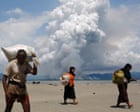
The International Court of Justice will deliver its judgment on Thursday in a landmark case brought by The Gambia accusing Myanmar of genocide against the Rohingya ethnic minority. The ruling, which cannot be appealed, comes more than nine years after a military crackdown in Myanmar's Rakhine State in 2016 and 2017 forced more than 740,000 Rohingya to flee to neighbouring Bangladesh.
The Rohingya are a mostly Muslim ethnic minority who have lived for centuries in Rakhine State. Successive Myanmar governments have treated them as illegal immigrants from Bangladesh, and a 1982 citizenship law left most of them stateless. The crisis escalated in August 2017 when fighters from the Arakan Rohingya Salvation Army attacked police posts, prompting the military to launch what it called clearance operations across northern Rakhine. Survivors described massacres, rapes and entire villages burned to the ground. A UN fact-finding mission concluded that some 10,000 people likely died in the pogroms.
The Gambia filed the case at the ICJ in November 2019, formally accusing Myanmar of breaching the 1948 Genocide Convention. The case alleges that Myanmar waged a deliberate campaign of arson, rape and murder intending to wipe out the Rohingya minority in whole or in part. Myanmar denies the charge, saying its forces were responding to armed attacks by insurgents.
The ICJ has never previously found a state responsible for committing genocide. A significant factor in determining genocide is proving the perpetrator's intent to destroy a national, ethnical, racial or religious group. Lawyers representing Rohingya survivors say patterns of behaviour by Myanmar's military, including killing people as they fled, show clear attempts to destroy the group.
The Guardian reports that concerns are growing the United States could impose sanctions on ICJ judges if the court rules in favour of The Gambia. The Foundation for Defense of Democracies, a thinktank close to the White House, has predicted a genocide ruling will lead to US sanctions on the ICJ. The US and Israel fear the judgment may set a precedent that makes it more likely the court will later rule that Israel committed genocide in Gaza. Judges at the court have sought advice on how to protect their assets from potential US sanctions, including this year's Nobel peace prize winner Navi Pillay.
How it is being reported
- ICJ to rule on Rohingya genocide case against Myanmar: What to knowThe ICJ is set to decide whether Myanmar's military operations in Rakhine State a decade ago were carried out with the intent to destroy the country's Rohingya minority, in whole or in part.DW News · 18 Nov, 14:27
- ICJ to rule on Rohingya genocide case: What to expectThe ICJ rules on The Gambia’s genocide case against Myanmar. Here’s what’s at stake for the Rohingya.Al Jazeera · 18 Nov, 12:11
- Fears grow over US sanctions on ICJ judges ahead of Myanmar genocide rulingA ruling against Myanmar could set precedent for court’s judgment on Israel’s actions in Gaza Fears are growing that the US could impose sanctions on judges at the international court of justice, including this year’s Nobel peace prize winner, Navi Pillay , if the court rules on Thursday that the Myanmar government committed genocide against the Rohingya. The ICJ has never found a state responsible for committing genocide, and a significant factor in previous cases has been how to prove “intent” in a crime defined as acts committed with the “intent to destroy, in whole or in part” a…The Guardian · 18 Nov, 09:58
In this story: Myanmar · Rohingya · The Gambia · International Court of Justice · Bangladesh · Rakhine State · Navi Pillay · Israel
This summary was written by AI from the headlines and standfirsts above, and states as fact only what at least two outlets report. How we use AI · Report a problem · Corrections log
Comments (0)