Solar kits help disaster victims and refugees access electricity
Summarised from 2 outlets · Updated 14 Oct, 02:32 · Archive
Portable solar kits are increasingly being used to provide electricity in disaster zones and refugee camps across the world. These all-in-one, compact units use solar panels and do not rely on utility companies, making them easy to move and recharge when humanitarian needs arise.
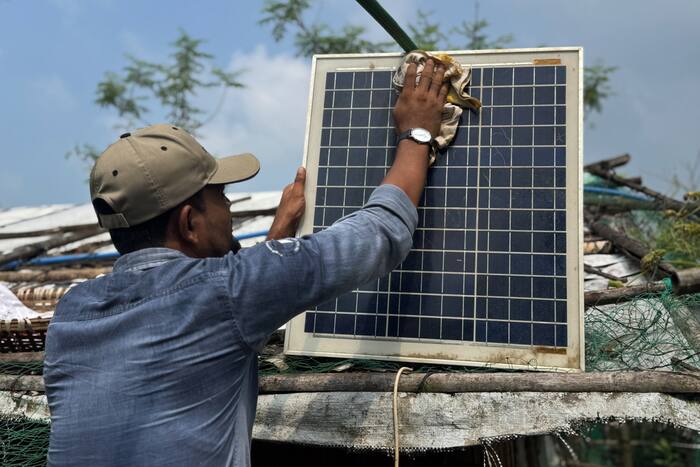
Mohammed Saber, a Rohingya refugee in Bangladesh, has depended on a solar kit given to his family as humanitarian aid six years ago. He and his family fled Myanmar in 2017 during the military's crackdown on the Rohingya and now live in a bamboo-and-tarpaulin shack in Teknaf camp. The solar panel has been their primary source of electricity. 'We can now charge our phones, cook with light, children can study at night and use fans during the hot season,' Saber said.
Experts say solar energy is increasingly necessary as climate change intensifies extreme weather and conflicts keep fossil fuel prices volatile. Sarah Rosenberg-Jansen, a research fellow at the Stockholm Environment Institute, says solar kits become invaluable resources when disasters strike and humanitarian needs surge. From flood zones in Nepal to refugee camps in Africa, organisations recognise that access to electricity is a fundamental need.
How it is being reported
- From climate-driven disasters to Rohingya refugee camps, solar kits help keep the lights onMohammed Saber and his family rely on a solar kit for electricity at the bamboo-and-tarpaulin shack they call home at a camp for Rohingya refugees in Bangladesh.News4Jax · 14 Oct, 02:03
- From climate-driven disasters to Rohingya refugee camps, solar kits help keep the lights onMohammed Saber and his family rely on a solar kit for electricity at the bamboo-and-tarpaulin shack they call home at a camp for Rohingya refugees in Bangladesh.Clickorlando · 14 Oct, 02:03
In this story: Mohammed Saber · Rohingya · Bangladesh · Myanmar · Teknaf · Stockholm Environment Institute · Sarah Rosenberg-Jansen · Nepal
This summary was written by AI from the headlines and standfirsts above, and states as fact only what at least two outlets report. How we use AI · Report a problem
Comments (0)