Hastings Museum director contextualises Martin brothers' attack story
Summarised from 2 outlets · Updated 3 Nov, 21:20 · Archive
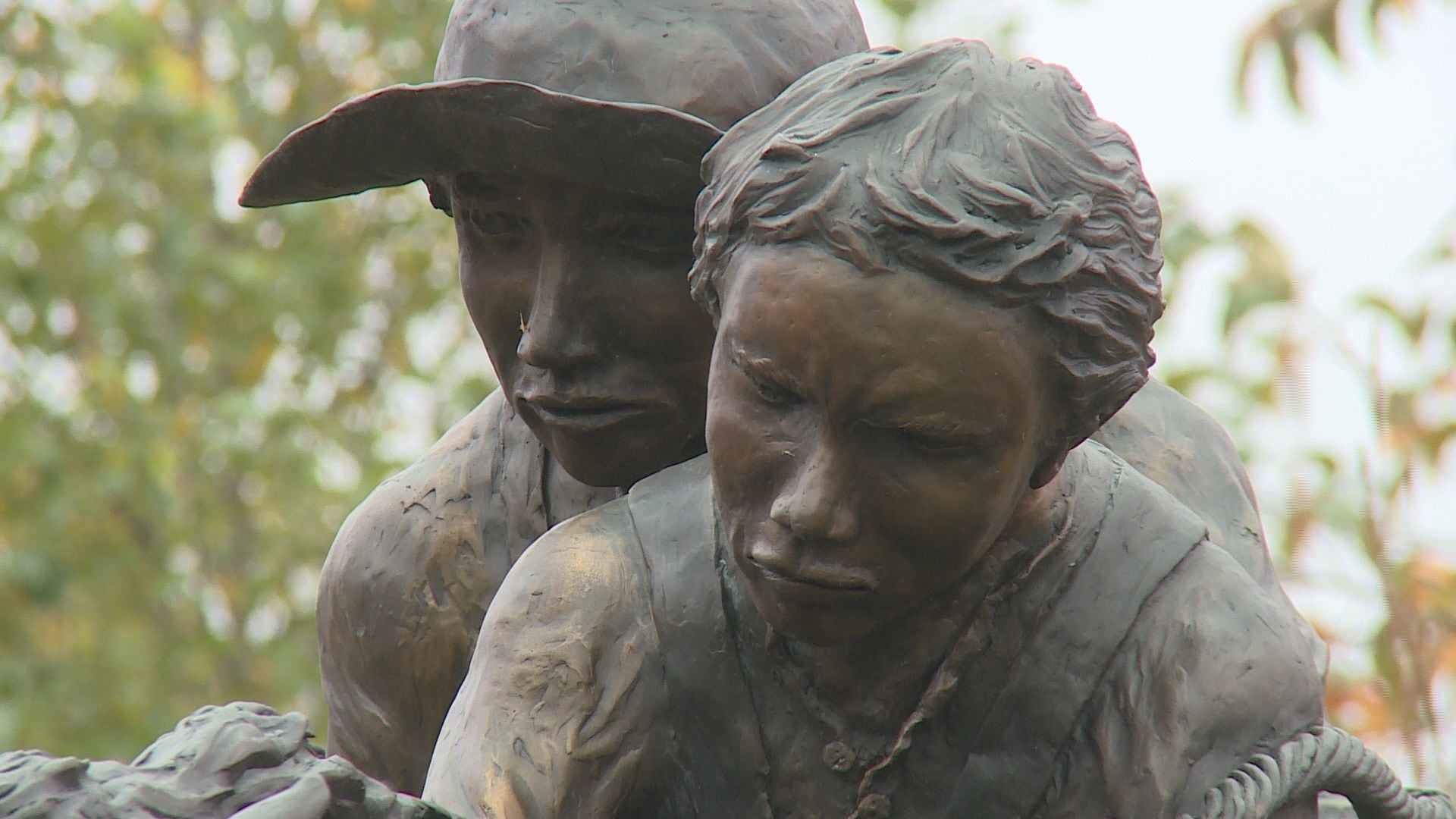
The Hastings Museum director says the Martin brothers' survival of a Native American attack must be understood within Indigenous efforts to resist settler expansion.
The director of the Hastings Museum has explained that the story of two boys who survived a Native American attack should be understood in its wider historical context. Teresa Kreutzer-Hodson said the attack was part of Indigenous efforts to drive homesteaders from the area, as they were disrupting hunting and taking land and resources tribes depended on.
Failed treaties and the Homestead Act of 1862 brought many settlers into Nebraska, straining resources. In 1864, during the Civil War, the country's troops were stretched thin, leaving frontier forts undermanned. The Cheyenne, Arapaho and Lakota took advantage of this, launching attacks from Julesburg, Colorado, to Big Sandy Creek in southeast Nebraska, targeting settlers along the Oregon Trail.
Kreutzer-Hodson said the brothers were struck together by arrows. Their family found them alive after returning from Fort Kearny and nursed them back to health. She described the tribes' efforts as 'a short-lived success' but stressed that understanding these pressures was 'the bigger part of the story'.
How it is being reported
- Hastings Museum director explains history behind the Martin Brothers storyThe director of the Hastings Museum said the story of the Martin brothers, two boys who survived a Native American attack, includes a larger history that she said is seen from the Indigenous perspective.WOWT · 3 Nov, 20:55
- Hastings Museum director explains history behind the Martin Brothers storyThe director of the Hastings Museum said the story of the Martin brothers, two boys who survived a Native American attack, includes a larger history that she said is seen from the Indigenous perspective.1011Now · 3 Nov, 20:55
In this story: Martin brothers · Teresa Kreutzer-Hodson · Hastings Museum · Cheyenne · Arapaho · Lakota · Nebraska · Fort Kearny
This summary was written by AI from the headlines and standfirsts above, and states as fact only what at least two outlets report. How we use AI · Report a problem · Corrections log
Comments (0)