HMRC given power to take money from bank accounts
Summarised from 2 outlets · Updated 5 Nov, 11:28 · Archive
HMRC can now recover tax debts directly from bank accounts, but only debts over £1,000 and with safeguards in place.
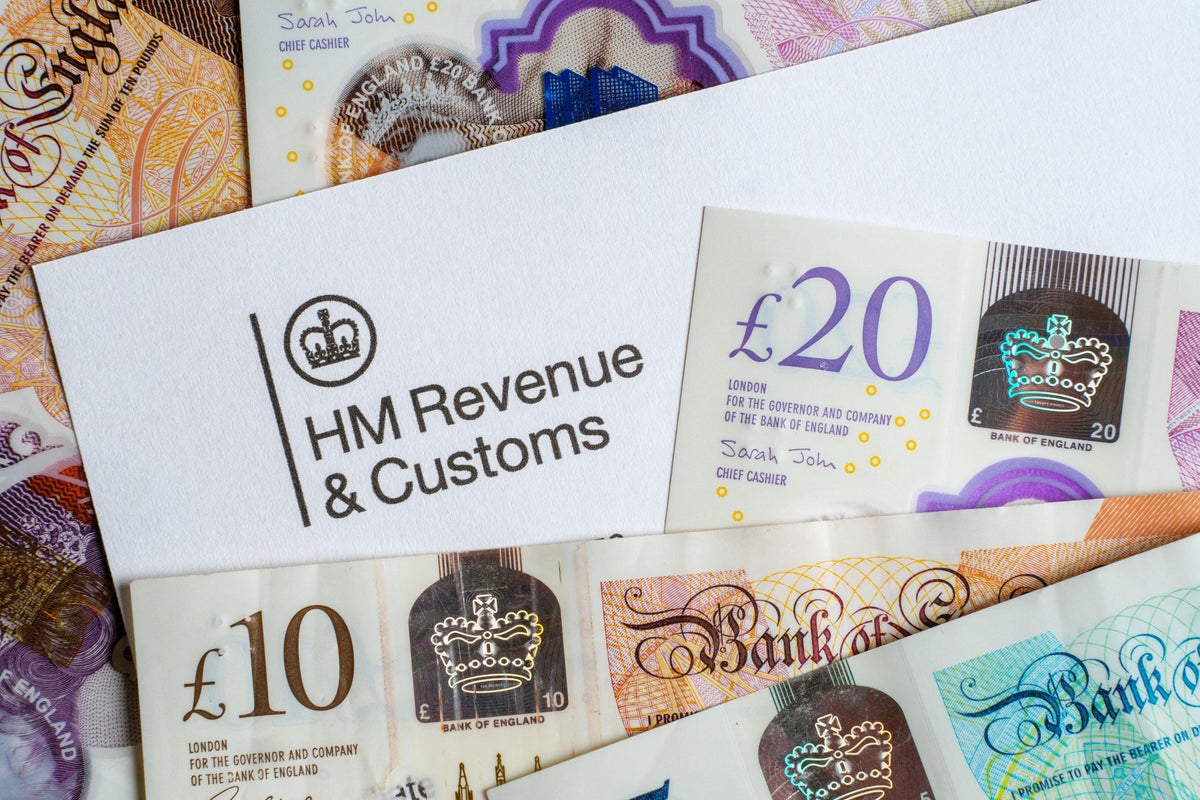
HMRC now has the power to recover unpaid tax directly from bank accounts under new measures announced by Chancellor John Healey in his recent Budget. The Direct Recovery of Debts scheme allows the tax authority to require banks and building societies to transfer money from a customer's current or savings account.
The scheme only applies to debts exceeding £1,000 and only after other collection methods have been exhausted. A key safeguard requires HMRC to leave at least £5,000 untouched across all of a debtor's accounts. For example, if someone has £7,000 in savings, HMRC could take a maximum of £2,000. The government says this protects money needed for wages, mortgages and essential expenses.
Before taking any action, HMRC must conduct a face-to-face visit to confirm it is dealing with the correct person. Despite these protections, tax experts have raised concerns that the scheme could push people on low incomes and pensioners into financial hardship if the £5,000 minimum proves insufficient for their circumstances.
How it is being reported
- HMRC now has powers to raid your bank account. This is what you need to knowHMRC could recover a debt directly from a bank account if it’s over £1,000The Independent · 5 Nov, 11:03
- How HMRC can now raid your bank account – and what you need to knowNew debt recovery powers could leave some people struggling to pay their bills, tax experts warnThe i Paper · 4 Nov, 16:00
In this story: HMRC · John Healey · Ofgem
This summary was written by AI from the headlines and standfirsts above, and states as fact only what at least two outlets report. How we use AI · Report a problem · Corrections log
Comments (0)