Leonid meteor shower to peak tonight over UK skies
Summarised from 2 outlets · 3 reports · Updated 17 Nov, 13:49 · Archive
The Leonid meteor shower will reach its peak on the night of 17 November, with up to 15 meteors visible per hour from dark locations.
The Leonid meteor shower will reach its peak on the night of 17 November into 18 November. The meteor spectacle runs from 6 November until 30 November, though the greatest activity is expected around the peak dates. Up to 10–15 meteors per hour may be visible during peak times.
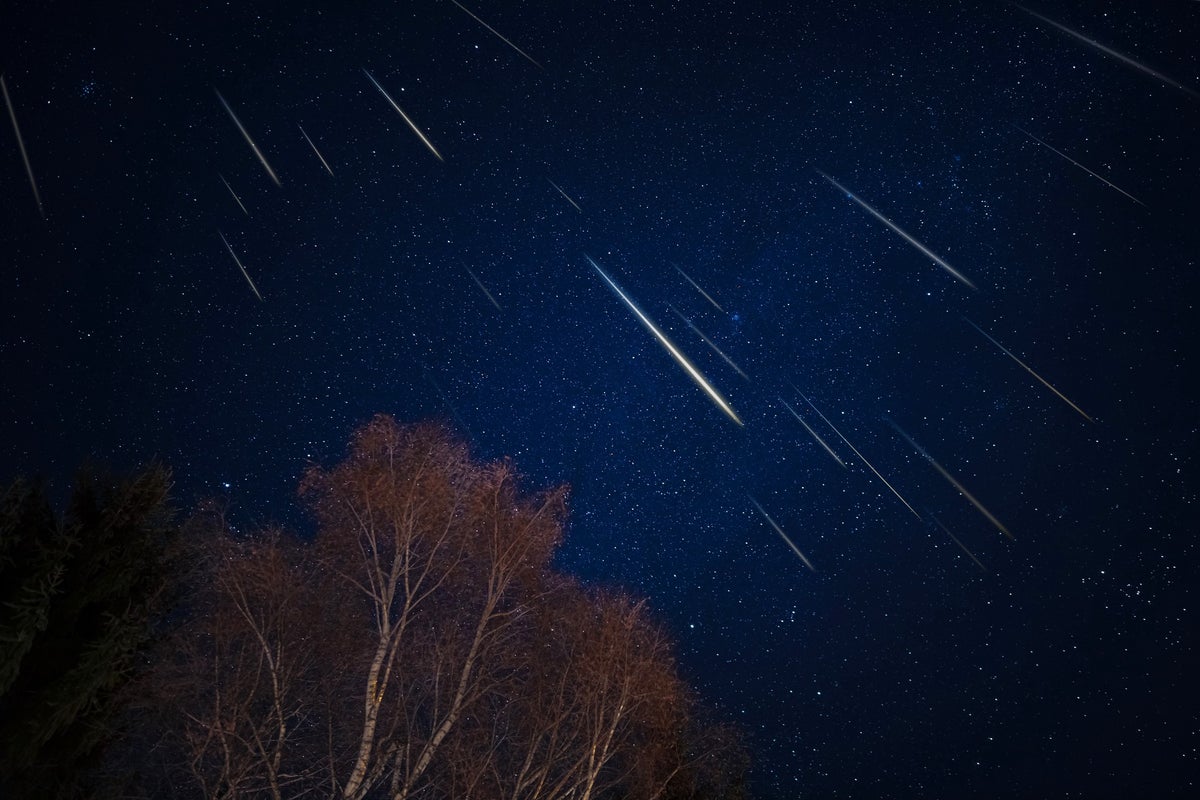
The Leonids are caused by debris left behind by Comet 55P/Tempel-Tuttle as it moves around the sun. As this celestial rubble enters Earth's atmosphere at speeds of around 70 kilometres per second, it vaporises and creates streaks of light. The meteors appear to come from the constellation Leo the Lion, which gives the shower its name. The particles are particularly fast compared to other meteor showers, making the fireballs especially bright and prominent against the night sky, with some leaving long trails tinged with blue and green.
To see the Leonids, no specialist equipment is required; they are visible to the naked eye. Experts advise finding a safe, dark location away from light pollution such as street lights. Giving your eyes time to adapt to the dark—perhaps 20 to 30 minutes—will improve your chances of seeing the shower. A wide, open space is ideal for a full view, and while meteors could be visible anywhere in the sky, the radiant point near the head of the Leo constellation is the best direction to focus your gaze.
How it is being reported
- Leonid meteor shower to peak in UK skies tonight. Here’s how to watch‘Shooting stars’ are caused by pieces of a comet colliding with our atmosphere – and these ones are particularly bright and fastIndependent Tech · 17 Nov, 15:06
- Leonid Meteor Shower In The UK, When It Peaks And How To See ItThe Leonid meteor shower will dazzle skies in the UK as stargazers will have their best chance yet to see the celestial delight. The Leonid meteor shower is associated with the Comet 55P/Tempel-Tuttle. The radiant - the point where the meteors stream from - is at the head or ‘sickle’ of the star constellation called Leo the Lion, giving it its apt name. As the comet follows a path around the sun, it leaves a strew of tiny debris. The celestial rubble enters Earth’s atmosphere at speeds of up to 44miles (70km) per second, vaporising and causing the streak of lights we know as meteors. As the…HuffPost UK · 17 Nov, 13:35
- Leonid meteor shower to light up the skies tonight. Here’s how to watch‘Shooting stars’ are caused by pieces of a comet colliding with our atmosphere – and these ones are particularly bright and fastIndependent Tech · 17 Nov, 11:26
In this story: Leonid meteor shower · Comet 55P/Tempel-Tuttle · Leo · UK
This summary was written by AI from the headlines and standfirsts above, and states as fact only what at least two outlets report. How we use AI · Report a problem · Corrections log
Comments (0)