Marine life populations in Gulf of Mexico fell 60% after BP spill
Summarised from 2 outlets · Updated 19 Oct, 20:31 · Archive
Marine animal populations in the Gulf of Mexico plummeted by about 60% in the years following the 2010 BP oil spill, a new study found.
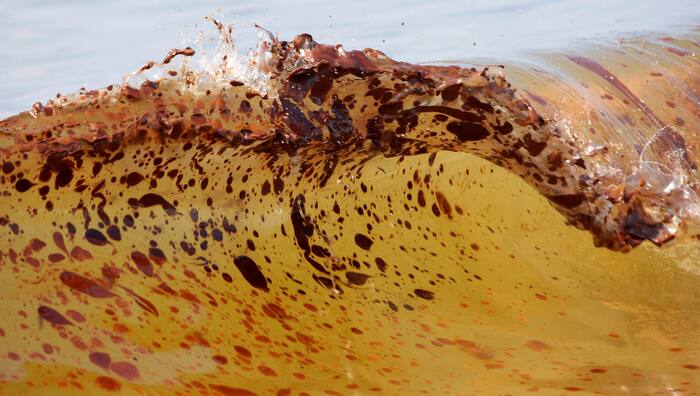
A study published in PNAS found that marine animal populations in the Gulf of Mexico plummeted by about 60% in the years following the 2010 Deepwater Horizon explosion. The BP-operated well dumped 134 million gallons of oil into the gulf.
Researchers focused on the ocean's 'twilight zone', a vast area above the seafloor where dolphins and whales feed on smaller creatures. The region of the gulf had not been studied before the 2010 spill. Scientists used nets at different depths and acoustic sonar in 2011 to measure how much sea life was present between the surface and 5,000 feet deep. When they returned with the same equipment three-and-a-half years later, they found sea life had fallen to between one-third and one-quarter of 2011 levels.
The numbers showed fish had dropped 63.5% between 2011 and 2015. Crustaceans, including shrimp and krill a key food for whales, fell 62%, and larger animals like squid and octopuses declined 59.7%. According to study lead author Tracey Sutton, a biological oceanographer at Nova Southeastern University, those populations have not come close to recovering.
How it is being reported
- Marine life dramatically declined in Gulf of Mexico in years after BP oil spill, study findsIn the years after the 2010 BP oil spill, the number of fish in the deeper parts of the Gulf of Mexico dramatically declined.Clickorlando · 19 Oct, 20:02
- Marine life dramatically declined in Gulf of Mexico in years after BP oil spill, study findsIn the years after the 2010 BP oil spill, the number of fish in the deeper parts of the Gulf of Mexico dramatically declined.News4Jax · 19 Oct, 20:02
In this story: BP · Gulf of Mexico · Tracey Sutton · Nova Southeastern University · PNAS
This summary was written by AI from the headlines and standfirsts above, and states as fact only what at least two outlets report. How we use AI · Report a problem
Comments (0)