Sony launches ECM-W5 wireless microphone kit at $400
Summarised from 2 outlets · Updated 16 Oct, 13:21 · Archive
Sony has announced the ECM-W5, a $400 wireless microphone kit with two transmitters and a receiver designed for content creators.
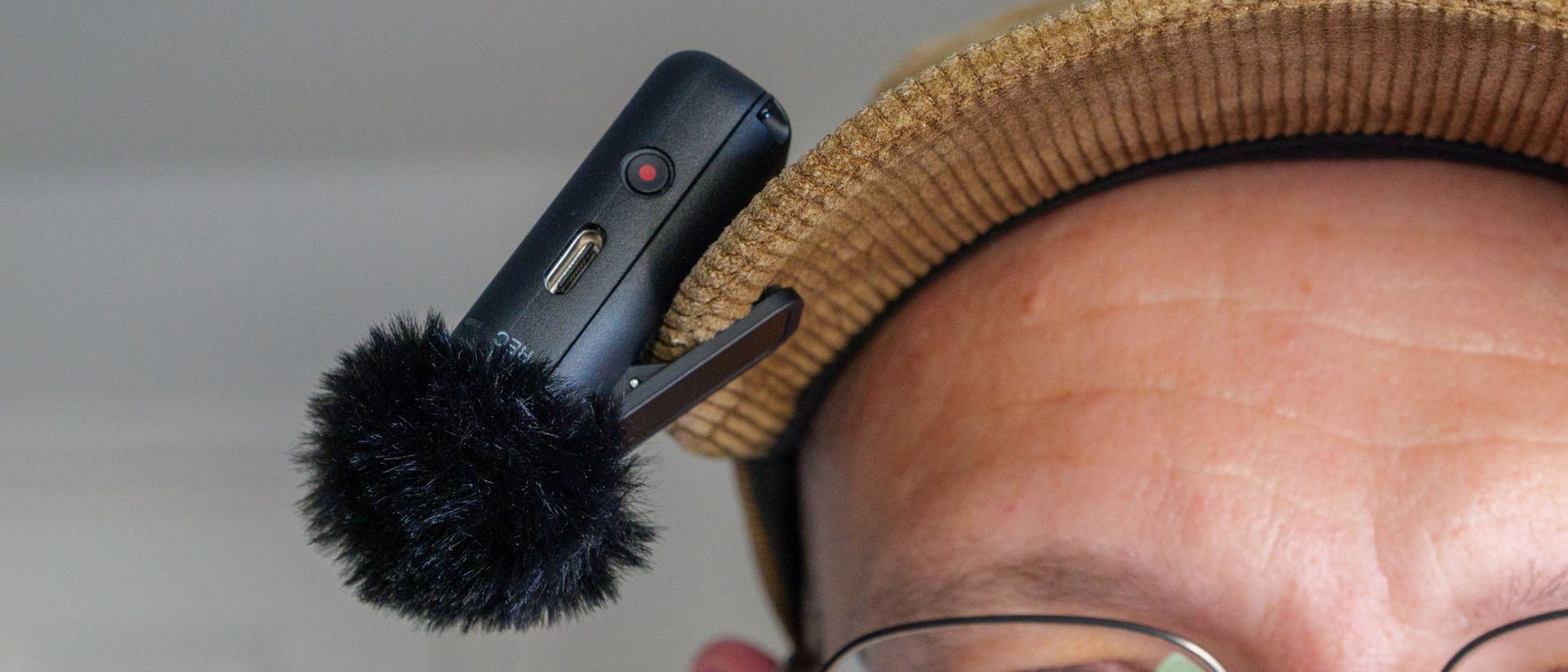
Sony has announced the ECM-W5, a $400 wireless microphone kit designed to compete with DJI's affordable wireless microphones. The kit includes two transmitters and a receiver that can record audio from up to 500 metres away in line-of-sight conditions, with support for 32-bit float recording. The system is easiest to use with Sony's Alpha series cameras, where it connects via the Multi Interface Shoe to receive power and transfer data.
Each transmitter includes 64GB of internal memory and offers 11 hours of battery life. The transmitters come with magnetic backplates for attachment to clothing. Additional transmitters can be purchased separately for $120 each, enabling up to four simultaneous recording tracks. The system supports external lavalier microphones, a feature that some broadcasters require.
For users without Sony cameras, the receiver includes a USB-C adapter for connection to smartphones or PCs. The 32-bit float recording capability allows the system to capture both quiet and loud sounds without requiring gain adjustments. TechRadar reports that the ECM-W5 costs £350 in the UK, making it more expensive than rivals including the DJI Mic 3, Insta360 Mic Pro and Rode Wireless Pro, though no other wireless microphone system currently offers in-camera 32-bit float recording.
How it is being reported
- Sony ECM-W5 review: a pricey wireless mic with a unique trickSony’s ECM-W5 wireless mic system brings world-first in-camera 32-bit float recording, a 500m range and a lav mic input, but it’s bulkier and pricier than rivals like the DJI Mic 3.TechRadar · 16 Oct, 13:00
- Sony is taking on DJI with its new ECM-W5 wireless microphone kitIt'll cost you though.Engadget · 14 Oct, 20:25
In this story: Sony · DJI · Rode · Insta360
This summary was written by AI from the headlines and standfirsts above, and states as fact only what at least two outlets report. How we use AI · Report a problem
Comments (0)