Rare ant colony stolen from Devon nature reserve in England
Summarised from 5 outlets · Updated 2 Nov, 15:17 · Archive
Thieves have stolen a nest of Narrow-headed Ants, England's rarest ant species, from a nature reserve in Devon.
Thieves have stolen a nest of Narrow-headed Ants from Chudleigh Knighton Heath nature reserve in south Devon, the last place in England where the species survives. Devon Wildlife Trust discovered the theft in mid-October when conservation researchers carrying out regular checks found a hollow where a known nest had been located. The surrounding ground showed clear signs of digging with a spade.
A single nest can contain a colony of between 1,000 and 5,000 ants, along with one or more breeding queens which can live for up to 25 years. Chudleigh Knighton Heath is a Site of Special Scientific Interest, and Narrow-headed Ants are classified as a Section 41 species, nationally rare and near threatened on the IUCN Red List. The theft has been reported to Devon and Cornwall Police, and Devon Wildlife Trust is asking anyone with information to come forward.
Julia Balfour from the Trust said the removal of an established nest was a 'significant loss for this species'. She explained that Narrow-headed Ant colonies develop slowly, and each mature nest with its long-lived queens represents many years of growth that cannot quickly be replaced. She described it as 'a crime every bit as serious as illegal raids on wild bird eggs'.
Steve Hussey at Devon Wildlife Trust said this is the first time in more than 20 years that the trust has had ants stolen, although it has previously suffered thefts of bird nest eggs and rare fungi and wildflowers. He said that whoever stole the nest knew what they were looking for and would have needed 'prior knowledge' of ant colonies to locate it. While difficult to speculate on motives, he suggested it could have been an attempt to rewild nature by placing the ants back in their former habitats.
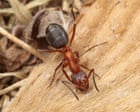
Narrow-headed ants are named after the distinctive 'pinched' look of their heads. They were once widespread across southern England in heathlands but their numbers have declined dramatically over the past 100 years due to habitat loss caused by agricultural change and building developments. A small number of colonies now exist in Scotland, including on the Royal Family's Balmoral Estate.
How it is being reported
- Rare ant nest stolen from last place in England where species survivesDevon nature reserve says ‘reckless’ theft of narrow-headed ant colony sets back years of conservation work A nest containing up to 5,000 of England’s rarest ant species has been stolen from a nature reserve, a conservation charity has said. Devon Wildlife Trust (DWT) said a nest of narrow-headed ants had been dug up and taken from Chudleigh Knighton Heath nature reserve in south Devon, which is the last place in England where the species still exists. Continue reading...The Guardian · 2 Nov, 15:00
- Nest of England's rarest ant species stolen from Devon nature reserveThe nest of Narrow-headed ants was removed from Chudleigh Knighto Heath nature reserve in south Devon.Daily Mail · 2 Nov, 12:30
- Rare ant colony stolen from nature reserve in DevonConservationists have said the theft of a rare ant colony from a nature reserve in Devon is a "significant loss" which "sets back years" of hard work by staff and volunteers.Sky News · 2 Nov, 11:57
- Colony of England's rarest ants stolen from last habitat in the countryIt is being called a ‘significant loss for this species’The Independent · 2 Nov, 10:34
- Thieves steal rare ant colony from last stronghold in EnglandDevon Wildlife Trust has reported that a nest belonging to Narrow-headed Ants was removed without permission.Daily Express · 2 Nov, 09:39
In this story: Devon Wildlife Trust · Chudleigh Knighton Heath · Julia Balfour · Steve Hussey · Devon and Cornwall Police · Balmoral Estate
This summary was written by AI from the headlines and standfirsts above, and states as fact only what at least two outlets report. How we use AI · Report a problem · Corrections log
Comments (0)