Nebraska Sandhills are largest sand sea in Western Hemisphere
Summarised from 2 outlets · Updated 12 Nov, 02:13 · Archive
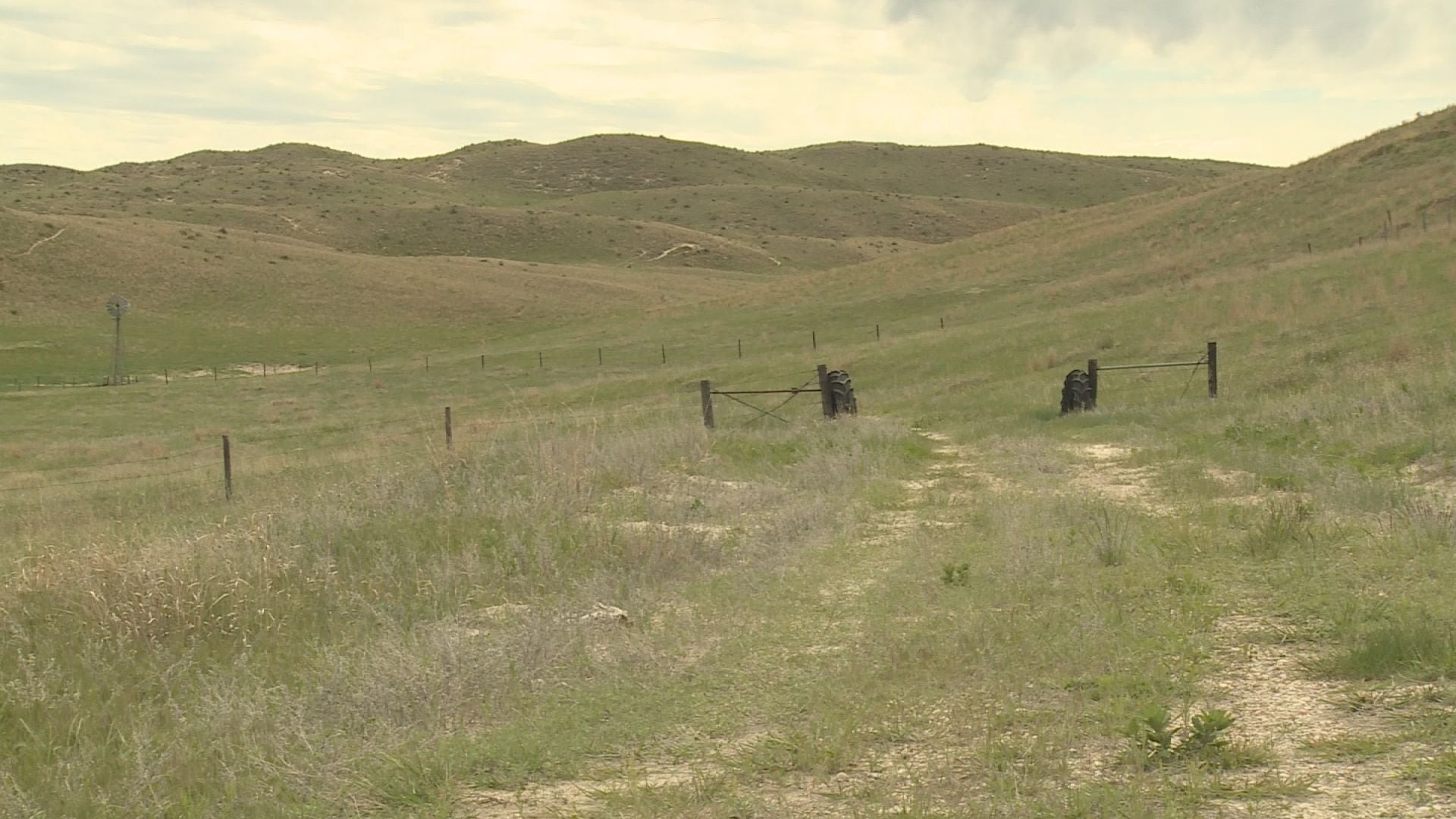
The Sandhills cover a quarter of Nebraska and form the largest sand sea in the Western Hemisphere.
Nebraska's Sandhills cover a quarter of the state and represent the largest sand sea in the Western Hemisphere. University of Nebraska-Lincoln geology professor Paul Hanson said the dunes formed over approximately 60 million years as streams including the Platte River deposited more sand into Nebraska than flowed out.
Hanson explained that the dunes have moved actively at various stages over the last several tens of thousands of years. Through the last 10,000 years, there have been four periods when they actively shifted. When dunes are moving, they typically advance about six to ten feet per year, though this movement is gradual and sporadic.
The dunes are currently stabilised by grass cover. However, when vegetation is lost during large drought events, the Sandhills resume moving. Hanson described the groundwater reserve beneath the Sandhills as 'an incredible resource', and noted that ranching and beef cattle raising, which depend on the region, are important to Nebraska's economy.
How it is being reported
- Understanding the Sandhills: A Nebraska natural wonderThe Sandhills cover a fourth of the state, and we decided to find out more about them from University of Nebraska-Lincoln geology professor Paul Hanson.WOWT · 12 Nov, 01:49
- Understanding the Sandhills: A Nebraska natural wonderThe Sandhills cover a fourth of the state, and we decided to find out more about them from University of Nebraska-Lincoln geology professor Paul Hanson.1011Now · 12 Nov, 01:49
In this story: Nebraska · Paul Hanson · University of Nebraska-Lincoln · Rocky Mountains · Platte River
This summary was written by AI from the headlines and standfirsts above, and states as fact only what at least two outlets report. How we use AI · Report a problem · Corrections log
Comments (0)