Supreme Court examines 1988 video privacy law in digital age
Summarised from 2 outlets · Updated 14 Oct, 19:32 · Archive
The Supreme Court is reconsidering a 1988 law protecting video rental privacy as it applies to modern digital commerce.
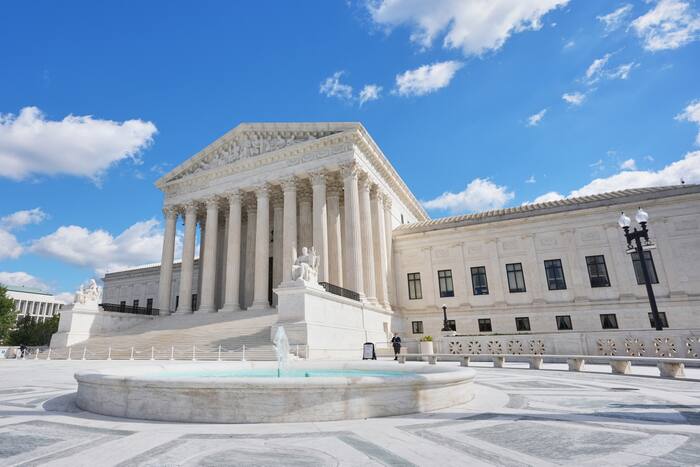
The Supreme Court heard arguments Wednesday on a 1988 law created to protect video rental privacy after a journalist revealed Supreme Court nominee Robert Bork's movie rental history. Nearly four decades later, the court is examining how the Blockbuster-era statute applies to modern digital commerce and targeted advertising.
The case concerns Michael Salazar, who subscribed to Paramount Global's online newsletter to view videos on 247Sports.com. Salazar claims Paramount violated the law by disclosing his video-watching history to Facebook without his consent, allowing companies to use the information for targeted advertising.
Consumer advocates argue the Video Privacy Protection Act was broadly written to adapt to technological advances and safeguard personal information. Critics view it as outdated, with plaintiffs' lawyers exploiting it in ways Congress could not have foreseen before the internet transformed commerce. They urge the court to reject interpretations that deprive companies of advertising revenue.
Justice Elena Kagan noted the statute's language is 'relatively clear' and told Paramount's lawyer that companies have 'two very simple solutions': obtain customer consent or stop selling personal information. A ruling could resolve a lower-court split over how consumers qualify for the law's protections.
How it is being reported
- Blockbuster-era law governing privacy of video rentals gets a fresh look from the Supreme CourtA 1988 law designed to protect the privacy of movie rentals in the age of Blockbuster Video is getting a fresh look from the Supreme Court.Clickorlando · 14 Oct, 19:04
- Blockbuster-era law governing privacy of video rentals gets a fresh look from the Supreme CourtA 1988 law designed to protect the privacy of movie rentals in the age of Blockbuster Video is getting a fresh look from the Supreme Court.News4Jax · 14 Oct, 19:04
In this story: Supreme Court · Paramount Global · Michael Salazar · Robert Bork · Elena Kagan · Facebook · Congress
This summary was written by AI from the headlines and standfirsts above, and states as fact only what at least two outlets report. How we use AI · Report a problem
Comments (0)