Draconid meteor shower to peak over UK tonight
Summarised from 2 outlets · Updated 9 Oct, 13:19 · Archive
The Draconid meteor shower will peak on October 9, with up to 10 shooting stars per hour expected in early evening skies.
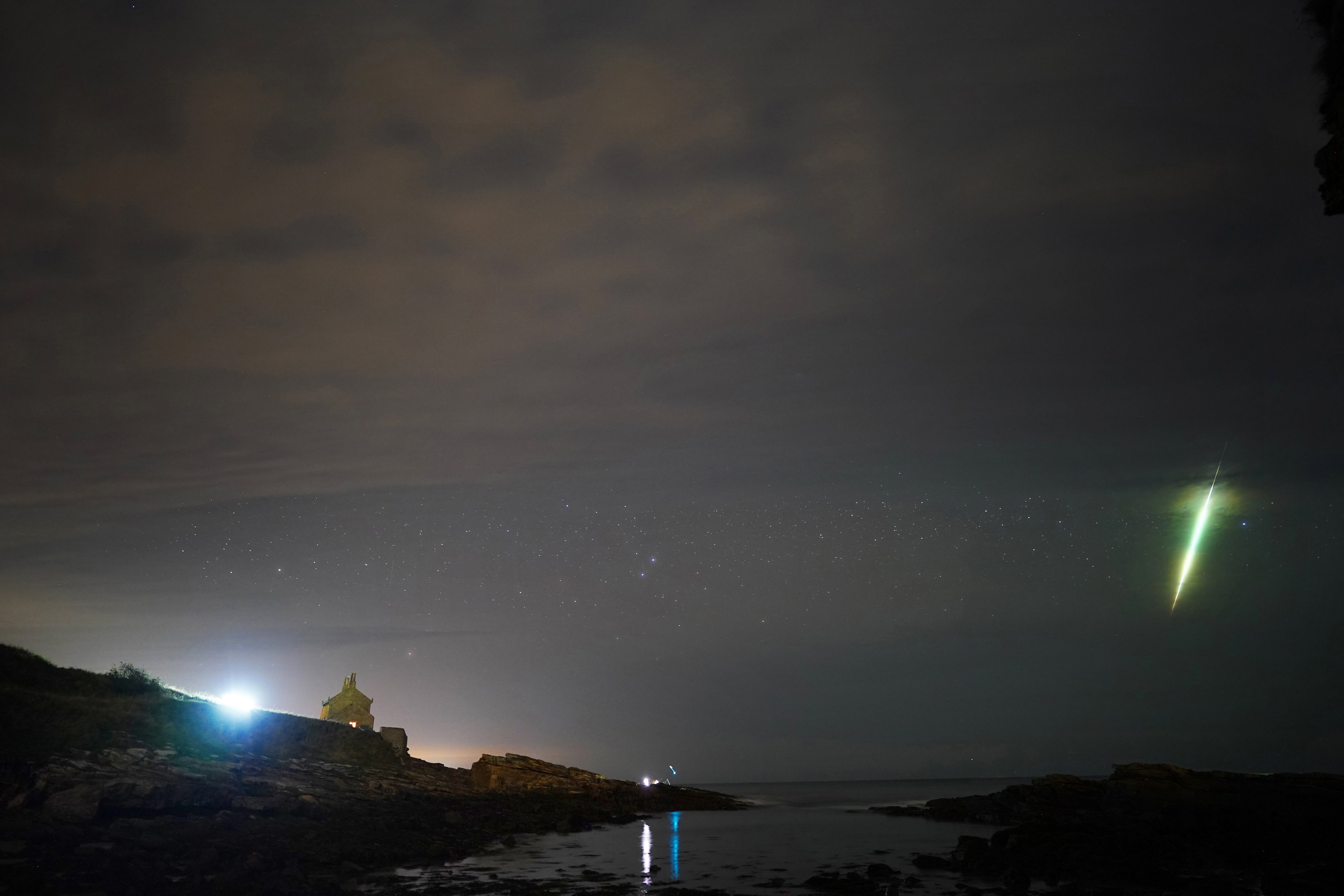
The Draconid meteor shower will peak on October 9 as Earth travels through a cloud of debris left behind by comet 21P/Giacobini-Zinner. As many as 10 shooting stars per hour are expected after nightfall, with the display best viewed in the early evening rather than in the small hours of the morning.
The shower's radiant lies in the constellation Draco, which sits highest in the sky at dusk, making the post-sunset window the ideal viewing time. Even fragments as small as a grain of sand can streak across the night sky. The Draconids are comparatively dim because they enter the atmosphere at roughly 40,000mph, which is slow by meteor standards. Nasa notes that it takes a larger Draconid to produce enough light to be really noticeable, and characterises the shower as 'occasional' because of its unpredictable nature.
The shower has been active since October 6 or 7 and will continue until October 10, though tonight marks the peak. The intensity of the shower varies considerably from year to year, depending on which portion of the comet's debris trail Earth crosses.
How it is being reported
- How to see the Draconid meteor shower as it peaks tonightThe Draconid meteor shower will peak tonight in the UK. Here's how you can see it!Metro · 9 Oct, 13:00
- Britons set for stunning night of stargazing with Draconids meteor shower to fly over UK skies tonightBritons are in for a stunning night of stargazing tomorrow evening as the Draconid meteor shower peaks. As many as 10 shooting stars per hour are expected after nightfall during the incredible cosmic event. The annual display, active since October 7, will peak on October 9. As a special treat for skywatchers, the phenomenon will be best seen in the early evening rather than in the small hours of the morning. TRENDING Stories Videos Your Say The Draconids' radiant lies in the constellation Draco, which sits highest in the sky at dusk, making the post-sunset window the best time to spot the…GB News · 8 Oct, 16:01
In this story: Draco · Earth · Comet 21P/Giacobini-Zinner · Nasa · Royal Museum Greenwich
This summary was written by AI from the headlines and standfirsts above, and states as fact only what at least two outlets report. How we use AI · Report a problem
Comments (0)